
Do I Need Employment Practices Liability Insurance (EPLI)?
Posted: July 19, 2024

Employment Practices Liability Insurance (EPLI) protects businesses against claims of wrongful employment practices such as discrimination, harassment, wrongful termination, or retaliation from employees or former employees. In today’s litigious environment, EPLI is essential for businesses of all sizes to safeguard their reputation, finances, and operations. It covers legal expenses, settlements, and judgments, helping companies to navigate complex employment-related claims and mitigate financial risks. Assessing Your...
7 Important Steps to Reduce Distracted Driving
Posted: July 16, 2024
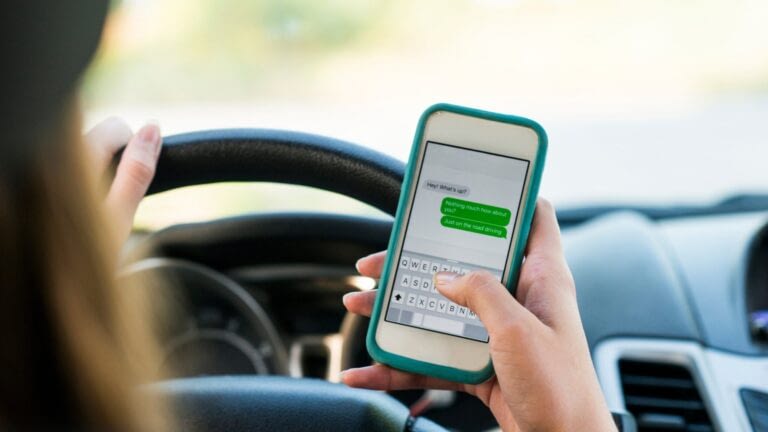
National Cell Phone Courtesy Month promotes mindful and courteous cell phone usage, especially while driving. This initiative encourages individuals to be considerate of others by minimizing distractions and practicing safe phone etiquette. The goals include raising awareness about the dangers of distracted driving and fostering a culture of responsibility and respect on the road. It serves as a reminder to prioritize safety and mindfulness in...
Your Business Insurance Renewal Checklist
Posted: July 4, 2024

Business growth is a goal that drives entrepreneurs and business owners to new heights of success. While growth brings new opportunities, it comes with risks. Reviewing and renewing insurance policies is imperative as businesses expand their horizons. Renewing policies ensures protection aligns with evolving needs, empowering enterprises to pursue their ambitions confidently while safeguarding against potential setbacks and liabilities. Consult with an Insurance Agent Consulting...
Sharing the Road: The Do’s & Don’ts for Cyclists & Drivers
Posted: July 1, 2024
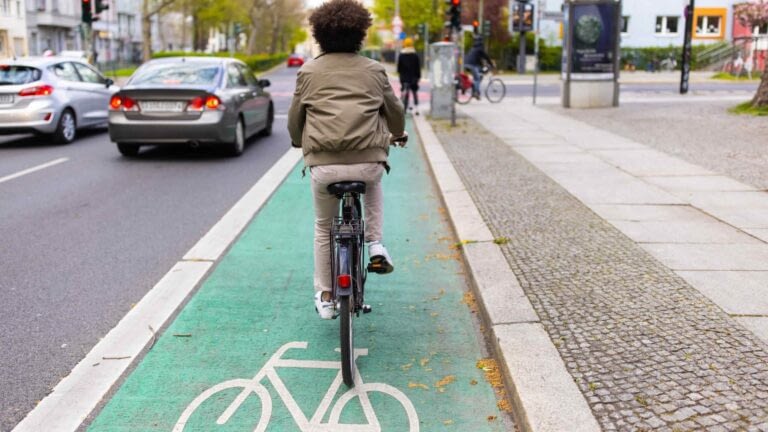
Streets and roads are not the exclusive domain of motor vehicles. In some areas, it contains cyclists as well as pedestrians. Prioritizing safety for everyone is paramount. Increased awareness of cyclists’ presence fosters a culture of mutual respect and caution. We can create a safer and more inclusive environment by respecting all road users and advocating safety measures. The Do’s for Cyclists Cyclists should heed...
Safeguard Your Business from Common Social Media Risks
Posted: June 20, 2024

Since the early 2000s, social media has grown from a trend in which only college kids participated into a vital communication channel for society. Today, social media is essential for small businesses to connect with customers and promote their brands. However, social media has risks such as negative reviews, data breaches, or damage to business reputation. Safeguard your business by implementing clear social media policies,...